Editorial Buying Guidance
Use this guide to build a shortlist, then verify the exact plan, term, renewal terms, and refund policy in the live checkout before you buy.
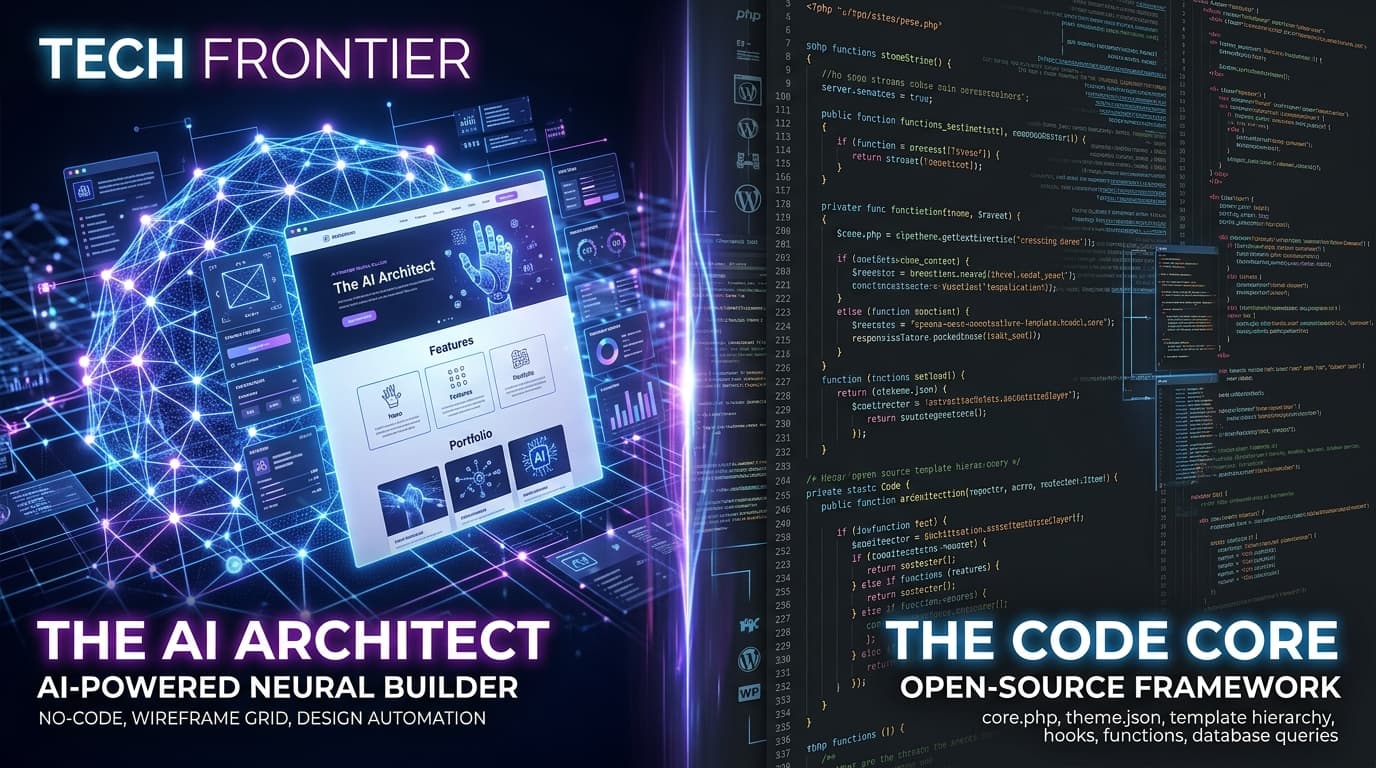
The debate between AI website builders and self-hosted WordPress in 2026 is no longer about whether AI can write code. It is a fundamental philosophical choice between autonomous managed convenience and infinite open-source extensibility.
On one side, modern AI platforms like Hostinger AI and Framer promise a complete, beautiful, and secure website in under two minutes with zero maintenance. On the other side, WordPress powers over 40% of the web, providing an unconstrained playground of 60,000+ plugins, custom PHP hooks, and total database ownership.
Here is our comprehensive, transparent editorial comparison of maintenance time, real-world costs over three years, security risks, performance benchmarks, and which path you should choose.
The 3-Year Total Cost of Ownership (TCO) Breakdown
Most buyers only compare the headline price on day one. Here is what you will actually spend over three years of running a real business website:
| Expense Category | AI Website Builder (Hostinger / 10Web) | Self-Hosted WordPress (Standard Hosting) |
|---|---|---|
| Year 1 Platform & Hosting | $35 – $120 | $35 – $95 |
| Year 2 & 3 Renewals | $190 – $240 | $240 – $480 |
| Domain & Privacy (3 Yrs) | $30 – $45 | $30 – $45 |
| Essential Plugins & Theme | $0 (Included natively) | $150 – $450 (Forms, SEO, Caching, Backups) |
| Maintenance Time (3 Yrs) | ~0 Hours | ~120 Hours (Updates, debugging, patches) |
| 3-Year Estimated Total | $255 – $405 | $455 – $1,070+ (Plus 120 hrs labor) |
Maintenance & Security: The "Plugin Tax"
The biggest hidden cost of self-hosted WordPress is not financial—it is cognitive overhead.
To keep a traditional WordPress website running smoothly, you must regularly update core software, theme frameworks, and ten to twenty third-party plugins. When a plugin update breaks your navigation menu or crashes your checkout flow on a Sunday afternoon, you are the developer responsible for troubleshooting PHP logs.
Furthermore, security research consistently shows that over 80% of WordPress vulnerabilities originate in third-party plugins and themes.
With managed AI builders:
- Zero Plugin Maintenance: Forms, SSL, caching, image compression, and sitemaps are integrated into the core platform.
- Isolated SaaS Security: Sites run in containerized environments with automatic security patching and DDoS shielding.
- Zero Technical Debt: You never have to worry about PHP version deprecations or database indexing errors.
When WordPress is Still Untouchable
Despite the meteoric rise of AI builders, WordPress remains the king of the web for several critical use cases:
1. Complex WooCommerce & High-SKU Ecommerce: If you have 500+ products with complex tax variations, custom shipping calculators, and multi-tier wholesale pricing, WooCommerce on WordPress is vastly superior to the lightweight shops in standard AI builders. 2. Custom Membership & Community Portals: If you need user dashboards, paid member tiers, custom forums, and course delivery engines, WordPress with plugins like MemberPress or BuddyBoss has no equal. 3. Total Data Portability & Code Ownership: On WordPress, you own every table in your MySQL database. You can download a full backup and move to another host in twenty minutes. On proprietary AI builders, you cannot export your database.
The Hybrid Solution: Best of Both Worlds
If you want the speed and automation of an AI builder combined with the code ownership of WordPress, you no longer have to compromise:
- 10Web AI: Generates full Elementor-compatible WordPress pages from prompts, hosts them on Google Cloud, and gives you complete access to the WordPress plugin ecosystem.
- Hostinger Managed WordPress: Combines high-speed LiteSpeed server hosting with an AI Content Creator and AI Onboarding Assistant.
The 60-Second Decision Checklist
- Choose an AI Builder if: You are a small business, consultant, local service, or freelancer who needs a fast, stunning, and maintenance-free website without technical hassles.
- Choose WordPress if: You are building a complex ecommerce empire, a custom membership portal, a high-volume content publication, or demand complete database ownership.